
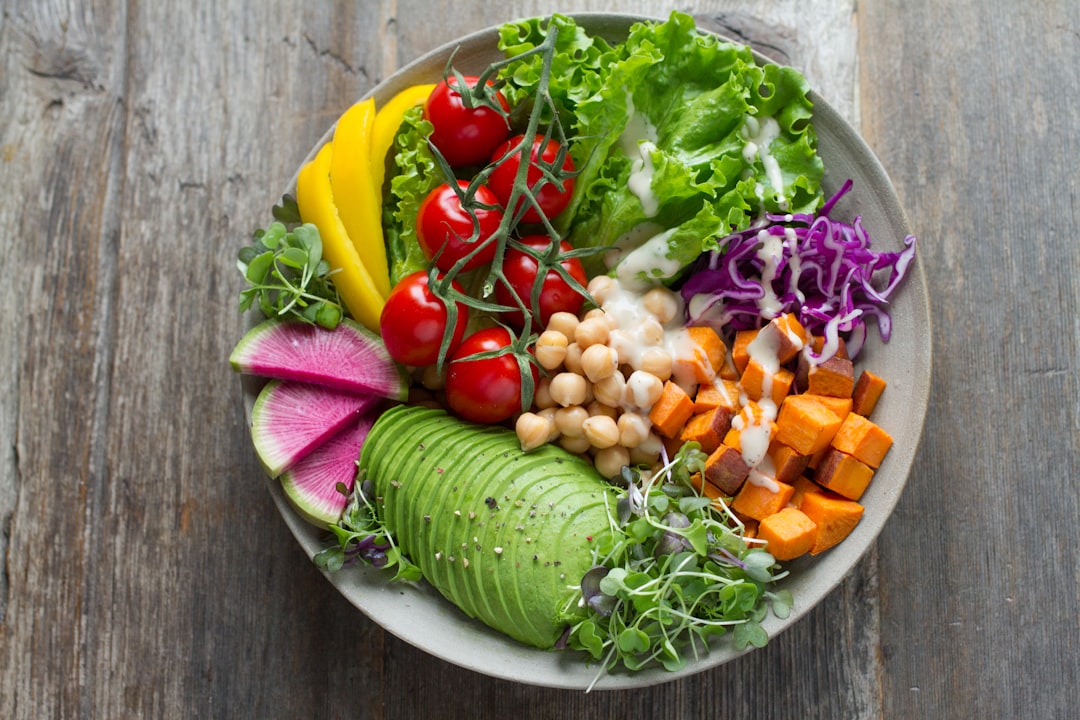
In today's fast-paced corporate environment, stress has become an unwelcome companion for most Indian men. Long working hours, demanding deadlines, traffic congestion, and the pressure to provide for families create a perfect storm of chronic stress. While we often look to meditation, exercise, or time management as solutions, we frequently overlook one of the most powerful stress-management tools available: nutrition.
The connection between what you eat and how you feel goes far deeper than most realize. Your diet directly influences neurotransmitter production, hormone regulation, inflammation levels, and even the health of your gut microbiome—all of which play crucial roles in how your body and mind respond to stress.
The Science Behind Stress and Nutrition
When you experience stress, your body releases cortisol—the primary stress hormone. While cortisol serves important functions in short bursts, chronic elevation leads to numerous health problems including weight gain (especially abdominal fat), weakened immunity, disrupted sleep, elevated blood pressure, and impaired cognitive function.
Certain nutrients can help regulate cortisol production and support your body's stress response system. Conversely, poor dietary choices can exacerbate stress responses and create a vicious cycle where stress leads to poor food choices, which in turn increases stress vulnerability.
The gut-brain axis—the bidirectional communication system between your digestive tract and your brain—plays a particularly important role. Approximately 90% of serotonin, a neurotransmitter crucial for mood regulation, is produced in your gut. This means that gut health directly impacts your emotional resilience and stress tolerance.
Top Stress-Reducing Foods for Indian Men
1. Complex Carbohydrates: The Mood Stabilizers
Unlike refined carbohydrates that cause blood sugar spikes and crashes, complex carbohydrates provide steady energy and support serotonin production. The traditional Indian diet naturally includes excellent sources like brown rice, whole wheat rotis, oats, and millets such as ragi and jowar.
These foods help maintain stable blood sugar levels throughout the day, preventing the irritability and anxiety that accompany blood sugar fluctuations. Start your day with a bowl of oats or dalia (broken wheat) to establish this stable foundation.
2. Omega-3 Rich Foods: Brain Protectors
Omega-3 fatty acids, particularly EPA and DHA, have been extensively studied for their stress-reducing and mood-enhancing properties. These healthy fats reduce inflammation, support brain cell membrane health, and help regulate neurotransmitter function.
For Indian men, excellent sources include fatty fish like salmon, mackerel, and sardines. If you follow a vegetarian diet, incorporate walnuts, flaxseeds (alsi), chia seeds, and hemp seeds. Aim for at least two servings of fatty fish per week or a daily tablespoon of ground flaxseeds.
3. Magnesium-Rich Foods: The Relaxation Mineral
Magnesium plays a critical role in regulating the nervous system and has been called "nature's tranquilizer." Unfortunately, modern diets and chronic stress often deplete magnesium levels, creating a deficiency that increases stress vulnerability.
Indian cuisine offers wonderful magnesium sources including spinach (palak), pumpkin seeds, almonds, cashews, black beans, and dark chocolate (70% cocoa or higher). A handful of mixed nuts as an evening snack can significantly boost your magnesium intake.
4. Vitamin C Rich Foods: Cortisol Controllers
Vitamin C helps lower cortisol levels and blood pressure during stressful situations. Studies show that people with adequate vitamin C levels experience less severe physical and psychological responses to stress.
Beyond citrus fruits, include amla (Indian gooseberry)—one of the richest vitamin C sources available—along with guava, bell peppers (shimla mirch), tomatoes, and leafy greens. A small amla murabba or fresh amla juice can provide your entire day's vitamin C requirement.
5. Probiotic Foods: Gut Health Guardians
Supporting your gut microbiome through probiotic-rich foods strengthens the gut-brain axis and improves stress resilience. Traditional Indian fermented foods are excellent sources of beneficial bacteria.
Include yogurt (dahi), buttermilk (chaas), fermented rice (panta bhat), pickled vegetables (achaar in moderation), and idli/dosa batter in your diet. These foods not only support digestive health but also enhance mood regulation and reduce anxiety.
6. Adaptogenic Herbs: Ancient Stress Solutions
Ayurveda has long recognized certain herbs as "adaptogens"—substances that help the body adapt to stress. Modern science has validated many of these traditional remedies.
Ashwagandha stands out as one of the most researched adaptogens, with studies showing it significantly reduces cortisol levels and anxiety symptoms. Tulsi (holy basil) tea offers calming effects and immune support. Brahmi enhances cognitive function under stress. Consider incorporating these as supplements or teas under professional guidance.
Foods to Avoid When Managing Stress
Just as certain foods reduce stress, others exacerbate it. Being aware of these stress-promoting foods helps you make better choices during challenging times.
Caffeine: The Double-Edged Sword
While many rely on chai or coffee for energy, excessive caffeine stimulates cortisol production and can trigger anxiety, especially in stress-sensitive individuals. Limit intake to 2-3 cups daily, avoid caffeine after 2 PM, and never consume it on an empty stomach.
Refined Sugar and Processed Foods
High-sugar foods create blood sugar rollercoasters that mimic and worsen stress responses. The temporary energy boost is followed by crashes that leave you irritable, fatigued, and craving more sugar. Minimize sweets, sodas, packaged snacks, and processed bakery items.
Excessive Alcohol
While a drink might seem relaxing, alcohol disrupts sleep quality, depletes B vitamins crucial for stress management, and can worsen anxiety the following day. If you drink, do so moderately and never as a stress management strategy.
High-Sodium Processed Foods
Excess sodium raises blood pressure and can intensify physical stress responses. Limit processed meats, canned foods, instant noodles, and excessive restaurant meals high in salt.
Practical Stress-Busting Meal Plan
Here's a sample day of eating designed to support stress management for working Indian men:
Breakfast (7:00-8:00 AM)
Vegetable oats upma with mixed seeds (flax, pumpkin, sunflower) + 1 cup green tea or tulsi tea + 5-6 soaked almonds
Mid-Morning Snack (11:00 AM)
Fresh fruit (banana, apple, or guava) + a small handful of walnuts
Lunch (1:00-2:00 PM)
2 multigrain rotis + palak dal (spinach lentils) + mixed vegetable sabzi + cucumber raita + small bowl of brown rice
Evening Snack (5:00 PM)
Buttermilk (chaas) with roasted cumin + roasted chickpeas (chana) or sprouts chaat
Dinner (8:00-9:00 PM)
Grilled fish or paneer tikka + quinoa or brown rice + sautéed vegetables + small katori of yogurt
Before Bed (Optional)
Warm almond milk with a pinch of turmeric and nutmeg
Eating Patterns That Reduce Stress
Beyond specific foods, how and when you eat significantly impacts stress levels.
Regular Meal Timing
Erratic eating schedules stress your body by creating uncertainty about energy availability. Establish consistent meal times to regulate hunger hormones and cortisol patterns. Your body thrives on predictability.
Mindful Eating Practices
Eating while working, driving, or watching screens activates stress responses and impairs digestion. Take at least 20 minutes for meals, chew thoroughly, and focus on the eating experience. This simple practice activates your parasympathetic nervous system—the "rest and digest" mode.
Adequate Hydration
Even mild dehydration increases cortisol levels and reduces cognitive performance. Aim for 8-10 glasses of water daily, more if you exercise or work in hot conditions. Keep a water bottle at your desk as a visual reminder.
Never Skip Breakfast
Starting the day without food extends the overnight fasting period, elevating cortisol and leaving you vulnerable to poor food choices later. A balanced breakfast stabilizes blood sugar and sets a positive nutritional tone for the day.
Supplements to Consider
While whole foods should be your primary focus, certain supplements can support stress management when diet alone isn't sufficient:
Magnesium: 200-400mg daily, preferably magnesium glycinate or citrate forms, taken in the evening to support relaxation and sleep.
Omega-3 fatty acids: 1000-2000mg combined EPA/DHA if you don't regularly consume fatty fish.
Vitamin D: Most Indian men are deficient despite abundant sunshine. Get tested and supplement as needed—typically 1000-2000 IU daily.
B-Complex vitamins: Stress depletes B vitamins rapidly. A quality B-complex supplement supports energy production and nervous system health.
Ashwagandha: 300-500mg of standardized extract can significantly reduce stress and cortisol levels.
Always consult a healthcare provider before starting supplements, especially if you take medications or have health conditions.
Lifestyle Factors That Enhance Nutritional Stress Management
Nutrition works best when combined with other stress-reducing practices:
Quality Sleep: Poor sleep increases stress hormones and cravings for unhealthy foods. Aim for 7-8 hours nightly, maintaining consistent sleep-wake times.
Regular Exercise: Physical activity burns off stress hormones and increases feel-good endorphins. Even 30 minutes of brisk walking daily makes a significant difference.
Stress Management Techniques: Meditation, deep breathing, yoga, or simple relaxation exercises complement nutritional strategies beautifully.
Social Connections: Regular interaction with supportive friends and family provides emotional buffering against stress.
Conclusion: Your Plate Is Your Power
Managing stress through nutrition isn't about perfection—it's about making consistently better choices that support your body's natural resilience mechanisms. Every meal is an opportunity to either feed stress or combat it.
Start with small, sustainable changes. Swap your evening samosa for a handful of nuts. Replace sugary chai with green tea. Add an extra serving of vegetables to lunch. These seemingly minor adjustments accumulate into significant stress reduction over time.
Remember that chronic stress requires a multifaceted approach. While nutrition provides a powerful foundation, it works best alongside adequate sleep, regular movement, and healthy coping strategies. Your health is your most valuable asset—invest in it wisely through the foods you choose every single day.
The journey to better stress management through nutrition begins with your very next meal. What will you choose?
You May Also Like

Start Your Wellness Journey Today
Get personalized nutrition and wellness guidance tailored to your lifestyle
Contact Our Experts