
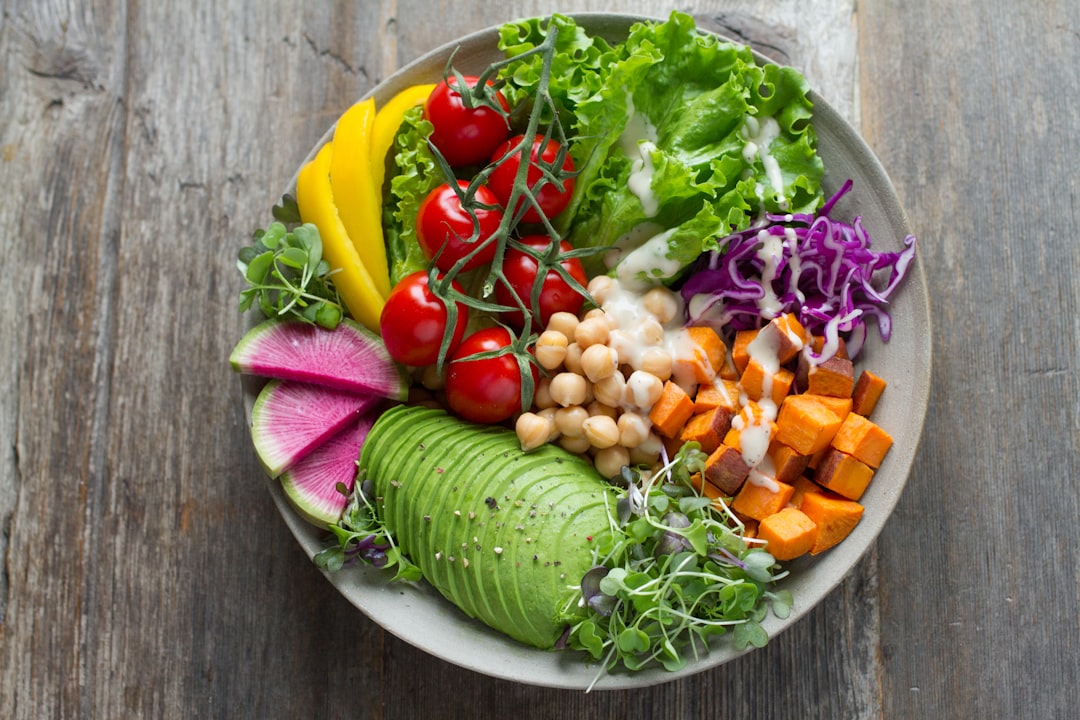
Between demanding work schedules, long commutes, and family responsibilities, most Indian men struggle to maintain healthy eating habits. The result? Relying on restaurant meals, ordering unhealthy takeout, or skipping meals entirely. Yet the key to consistent healthy eating isn't willpower or complicated recipes—it's strategic meal planning.
Meal planning isn't just for fitness enthusiasts or home chefs. It's a practical skill that saves time, reduces stress, improves nutrition, and even saves money. More importantly, it removes the daily decision fatigue of figuring out what to eat, making healthy choices the default rather than the exception.
This comprehensive guide will walk you through a simple, sustainable meal planning system designed specifically for busy Indian men who want to eat well without spending hours in the kitchen.
Why Meal Planning Transforms Your Health
Before diving into the how, let's understand why meal planning is worth your time investment:
Saves Time: Spending 60-90 minutes once weekly on planning and prep saves 30-45 minutes daily. That's over 3 hours saved each week—time you can spend exercising, relaxing, or with family.
Reduces Food Waste: Planned shopping means buying only what you need, reducing the vegetables wilting in your fridge and the groceries expiring unused.
Saves Money: Planned meals cost significantly less than restaurants or food delivery. Most men save ₹3,000-5,000 monthly by meal planning.
Improves Nutrition: When hungry and unprepared, you make poor choices. When healthy meals are ready, you eat healthy by default.
Reduces Stress: The daily "what should I eat?" question disappears. Your meals are decided, ingredients are ready, and eating well becomes effortless.
Supports Fitness Goals: Whether building muscle, losing fat, or maintaining weight, consistent nutrition is crucial. Meal planning ensures you meet your nutritional targets consistently.
The 5-Step Meal Planning System
Step 1: Assess Your Schedule and Needs
Effective meal planning starts with understanding your unique situation. Grab a notebook or open a notes app and answer these questions:
How many meals do you need weekly? If you eat breakfast and dinner at home but have lunch at office, you need 14 meals weekly (7 breakfasts + 7 dinners). If you eat out on weekends, that drops to 10 meals.
What's your cooking skill level? Be honest. If you're a beginner, choose simple recipes. Complex dishes lead to frustration and abandoned plans.
How much time can you dedicate? Can you spare 2 hours Sunday for batch cooking? Or just 30 minutes for basic prep? Your available time shapes your strategy.
What are your nutritional goals? Maintaining weight? Building muscle? Losing fat? Managing a health condition? Your goals determine your meal composition.
What equipment do you have? A pressure cooker, rice cooker, or slow cooker dramatically expands your options with minimal effort.
Step 2: Choose Your Core Recipes
The biggest meal planning mistake is pursuing variety. Instead, embrace strategic repetition—eating similar meals repeatedly with minor variations.
Select 3-4 breakfast options, 4-5 lunch/dinner options, and 2-3 snack options that you genuinely enjoy. These become your rotation. Here's a sample Indian meal rotation:
Breakfast Options:
- Vegetable oats with mixed seeds and nuts
- Moong dal chilla with mint chutney and yogurt
- Whole wheat toast with scrambled eggs and vegetables
- Poha with peanuts and vegetables
Lunch/Dinner Options:
- Grilled chicken or paneer + brown rice + dal + vegetables
- Fish curry + 2 multigrain rotis + cucumber raita + sabzi
- Rajma or chole + quinoa + mixed salad
- Egg bhurji + whole wheat parathas + curd
- Vegetable khichdi with extra protein (eggs, chicken, or paneer on side)
Snack Options:
- Fruits with handful of nuts
- Sprouts chaat
- Yogurt with seeds and berries
- Roasted chickpeas
Notice these recipes share common ingredients, making grocery shopping simpler and reducing waste.
Step 3: Create Your Weekly Menu
Now assign your chosen recipes to specific days. Use this simple template:
Monday:
Breakfast: Oats with fruits and nuts
Lunch: Office cafeteria/tiffin
Snack: Apple with almonds
Dinner: Grilled chicken + brown rice + dal + sabzi
Tuesday:
Breakfast: Moong dal chilla + curd
Lunch: Office cafeteria/tiffin
Snack: Roasted chickpeas
Dinner: Fish curry + rotis + raita + vegetables
Continue for the entire week. Keep it simple initially—repetition is perfectly fine. Many successful meal planners eat the same breakfast all week and rotate just 3-4 dinners.
Step 4: Build Your Shopping List
From your weekly menu, list every ingredient you need. Organize by category for efficient shopping:
Proteins: Chicken (1 kg), fish (500g), eggs (1 dozen), paneer (400g), moong dal (500g), rajma (250g)
Grains: Brown rice (1 kg), whole wheat flour (2 kg), oats (500g), quinoa (500g)
Vegetables: Spinach (2 bunches), tomatoes (1 kg), onions (1 kg), capsicum (500g), carrots (500g), beans (250g), cucumber (3 pieces)
Fruits: Bananas (6), apples (4), seasonal fruits (1 kg)
Dairy: Yogurt (1 kg), milk (2 liters)
Nuts & Seeds: Almonds (200g), walnuts (100g), flax seeds (100g), pumpkin seeds (50g)
Pantry Staples: Spices, oil, salt, turmeric, ginger-garlic paste
Check your pantry before shopping to avoid buying duplicates. Buy fresh vegetables mid-week if needed to ensure freshness.
Step 5: Meal Prep Session
This is where meal planning becomes meal prepping—the secret weapon for effortless healthy eating throughout the week.
Dedicate 1.5-2 hours (typically Sunday afternoon or evening) for batch preparation:
Hour 1: Washing and Chopping
- Wash all vegetables and pat dry
- Chop onions, tomatoes, and store in airtight containers
- Prepare ginger-garlic paste if making fresh
- Cut vegetables for sabzis and store separately
- Wash and soak dals and rice
Hour 2: Batch Cooking
- Cook large batch of brown rice or quinoa (stays fresh 4-5 days refrigerated)
- Prepare 2-3 days' worth of dal in pressure cooker
- Marinate proteins for upcoming days
- Pre-cook chicken or boil eggs if using in multiple meals
- Make base gravy for curries (onion-tomato mixture)
- Prepare overnight oats jars for breakfasts
Storage Tips:
- Use glass containers when possible—better for reheating and environment
- Label containers with contents and date
- Store proteins and vegetables separately to maintain freshness
- Keep frequently used items at eye level in fridge
Time-Saving Cooking Techniques
Embrace One-Pot Meals
Dishes like khichdi, pulao, chicken biryani, or vegetable dalma provide complete nutrition in a single pot. Less cooking, less cleanup, more time saved.
Use Your Pressure Cooker
This Indian kitchen staple is perfect for meal planning. Cook dal, rice, rajma, chole, chicken curry, or even steam vegetables—all with minimal supervision.
Double Every Recipe
Making chicken curry? Double the recipe. The extra effort is minimal, but you get two meals instead of one. Freeze one portion or refrigerate for later in the week.
Sheet Pan Cooking
Arrange marinated chicken or paneer with vegetables on a baking tray. Season, drizzle oil, bake at 200°C for 25-30 minutes. Complete meal with zero supervision required.
Invest in Small Appliances
A rice cooker ensures perfectly cooked rice while you prepare other items. A slow cooker lets you add ingredients in the morning and return to a ready meal in the evening.
Smart Strategies for Busy Weekdays
The 15-Minute Assembly Dinner
When you've prepped components, dinners assemble quickly:
- Reheat pre-cooked dal (3 minutes)
- Reheat pre-cooked rice (3 minutes)
- Stir-fry pre-cut vegetables (5 minutes)
- Grill pre-marinated protein (4 minutes in air fryer or pan)
Total active time: 15 minutes for a complete, nutritious meal.
Strategic Leftovers
Transform leftovers into new meals:
- Yesterday's rotis become today's roti pizza or frankie
- Leftover rice becomes fried rice or lemon rice
- Leftover sabzi becomes filling for paratha or sandwich
- Leftover dal becomes dal paratha or dal pancakes
Breakfast Automation
Make breakfast the most automated meal:
- Prepare overnight oats jars Sunday evening—grab and eat all week
- Boil a week's worth of eggs at once
- Pre-portion smoothie ingredients in freezer bags—just blend with liquid
- Keep ready-to-cook options like eggs or oats for zero-decision mornings
Meal Planning for Different Goals
For Weight Loss
Focus on high-protein, high-fiber foods that keep you satisfied:
- Increase vegetable portions—fill half your plate
- Choose lean proteins: chicken breast, fish, egg whites, paneer
- Moderate grain portions—focus on complex carbs
- Plan filling snacks to prevent impulsive eating
- Track portions initially to develop awareness
For Muscle Building
Prioritize adequate protein and calories:
- Include protein with every meal: eggs, chicken, fish, dal, paneer, Greek yogurt
- Don't fear carbs—brown rice, oats, quinoa fuel workouts and recovery
- Add calorie-dense healthy foods: nuts, nut butters, avocado, olive oil
- Plan post-workout meals specifically—protein + carbs within 1-2 hours
- Prepare protein-rich snacks: boiled eggs, Greek yogurt, protein smoothies
For Maintaining Health
Focus on balanced, sustainable eating:
- Follow the plate method: ½ vegetables, ¼ protein, ¼ grains
- Include variety throughout the week for diverse nutrients
- Plan treats intentionally rather than impulsively
- Emphasize whole foods over processed options
- Stay flexible—if plans change, adapt rather than abandon healthy eating
Overcoming Common Obstacles
"I Don't Have Time to Cook"
The beauty of meal planning is that you batch your time. Instead of 30 minutes daily (3.5 hours weekly), spend 2 hours once. Even accounting for daily reheating (5 minutes), you save significant time.
Start with just weekend meal prep if weekday cooking feels impossible. Even partial planning beats no planning.
"I Get Bored Eating the Same Things"
Use the "variable repetition" strategy: keep breakfast and snacks consistent (fewer decisions when rushed), but rotate dinner options. Or keep core components the same (protein + grain + vegetables) but change spices and cooking methods.
Monday: Tandoori chicken + rice + dal
Tuesday: Chicken curry + rice + dal
Wednesday: Chicken stir-fry + rice + dal
Same ingredients, different flavors, minimal additional effort.
"My Schedule Is Unpredictable"
Build flexibility into your plan:
- Prepare components (cooked grains, chopped vegetables, marinated proteins) that assemble quickly into various meals
- Keep frozen vegetables for backup
- Stock healthy convenience foods: pre-washed salads, canned beans, frozen grilled chicken
- Have 2-3 ultra-quick recipes (15 minutes) for truly hectic days
"I Live Alone—Recipes Are Too Large"
Cook full recipes anyway and embrace these solutions:
- Freeze individual portions for future weeks
- Eat the same dinner 2-3 nights (saves enormous time)
- Share large batches with family or neighbors
- Use for both lunch and dinner
Technology Tools That Help
Several apps and tools can streamline meal planning:
Meal Planning Apps: Apps like Mealime, Eat This Much, or MealPrepPro generate meal plans and shopping lists based on your preferences and goals.
Recipe Organization: Save recipes in apps like Paprika or even Pinterest for easy access while cooking.
Smart Shopping Lists: Apps like AnyList organize your shopping list by grocery store sections, making shopping faster.
Nutrition Tracking: MyFitnessPal or HealthifyMe help track whether your planned meals meet nutritional targets.
However, don't let technology complicate the process. A simple spreadsheet or even pen and paper works perfectly fine.
Your First Week Action Plan
Ready to start? Here's your implementation roadmap:
This Week: Choose 3 simple breakfast options and 4 dinner options you already know how to cook. Write them down.
Weekend: Create a meal plan for next week using just these recipes. Make your shopping list. Shop for ingredients.
Sunday Afternoon: Spend 90 minutes washing, chopping, and cooking basics (rice, dal, chopped vegetables).
Next Week: Follow your plan. Notice how much time and stress you save. Make notes about what worked and what needs adjustment.
Following Weekend: Refine based on your experience. Maybe add one new recipe or adjust portions.
Don't aim for perfection. Aim for progress. Even planning 5 out of 7 dinners transforms your nutrition and saves significant time and money.
Conclusion: Your Path to Effortless Healthy Eating
Meal planning isn't about becoming a master chef or spending your entire weekend cooking. It's about working smarter, not harder. It's about making healthy eating the default, convenient option rather than the difficult exception.
The initial planning might feel tedious, but within 2-3 weeks, it becomes second nature. You'll develop your rhythm, refine your recipes, and optimize your process. Most importantly, you'll experience the freedom that comes from knowing exactly what you're eating, having the ingredients ready, and removing the daily stress of figuring out meals.
Your health deserves this investment. Your future self will thank you for establishing this powerful habit today.
Start small, stay consistent, and watch as meal planning transforms not just your nutrition, but your overall quality of life.
You May Also Like

Need Personalized Meal Planning Help?
Our nutrition experts can create customized meal plans tailored to your goals and lifestyle
Get Expert Guidance