

Cardiovascular disease is the leading cause of death among Indian men, claiming more lives than all cancers combined. The alarming part? Indians develop heart disease nearly a decade earlier than their Western counterparts, with heart attacks striking men in their 30s and 40s with increasing frequency. Yet heart disease is largely preventable through proper nutrition and lifestyle choices.
This comprehensive guide provides evidence-based nutritional strategies specifically designed to protect your heart, lower cholesterol, reduce blood pressure, and decrease your cardiovascular disease risk. Your heart health is too important to leave to chance—let's build your defense starting today.
Understanding Heart Disease Risk in Indian Men
Before diving into solutions, understanding why Indian men face elevated cardiovascular risk is crucial:
Genetic Predisposition
South Asians carry genetic variations that increase cardiovascular risk. You're more likely to develop insulin resistance, diabetes, and unfavorable cholesterol profiles compared to other populations. This doesn't mean heart disease is inevitable—it means prevention requires greater attention.
Traditional Diet Challenges
While Indian cuisine offers many healthy options, modern eating patterns often include excessive refined carbohydrates (white rice, maida-based foods), high sodium from processed foods, trans fats from commercial cooking methods, and insufficient omega-3 fatty acids.
Metabolic Syndrome Prevalence
Indian men are particularly susceptible to metabolic syndrome—a cluster of conditions including abdominal obesity, high blood pressure, elevated blood sugar, and abnormal cholesterol. This syndrome dramatically increases heart disease risk.
Lifestyle Factors
Sedentary work, chronic stress, poor sleep, and smoking compound dietary risks. Heart health requires addressing all these factors, but nutrition provides your foundation.
Heart-Protective Foods to Emphasize
1. Omega-3 Rich Fatty Fish
Omega-3 fatty acids (EPA and DHA) are among the most powerful heart-protective nutrients, reducing inflammation, lowering triglycerides, decreasing blood pressure, and preventing dangerous heart rhythm abnormalities.
Best sources: Salmon, mackerel, sardines, hilsa, pomfret, rohu fish
Target intake: 2-3 servings of fatty fish weekly, providing approximately 1,000mg combined EPA/DHA daily
Preparation tips: Grill, bake, or steam rather than deep frying. A simple tandoori preparation or mustard fish curry provides heart benefits without added unhealthy fats.
If you don't eat fish, consider algae-based omega-3 supplements or emphasize plant sources like flaxseeds, chia seeds, and walnuts (though conversion to EPA/DHA is limited).
2. Fiber-Rich Whole Grains
Soluble fiber binds cholesterol in your digestive tract, preventing absorption and lowering LDL ("bad") cholesterol. Whole grains also improve blood sugar control and promote healthy weight management.
Excellent choices: Oats (especially steel-cut or rolled), brown rice, quinoa, barley, whole wheat, millets (ragi, jowar, bajra)
Target intake: At least 25-30 grams of fiber daily; most Indian men consume less than 15 grams
Simple swaps:
- White rice → Brown rice or millet-rice blend
- Maida rotis → Whole wheat or multigrain rotis
- White bread → Whole grain bread
- Regular pasta → Whole wheat pasta
Start your day with a bowl of oats. This single change can lower cholesterol by 5-10% within weeks.
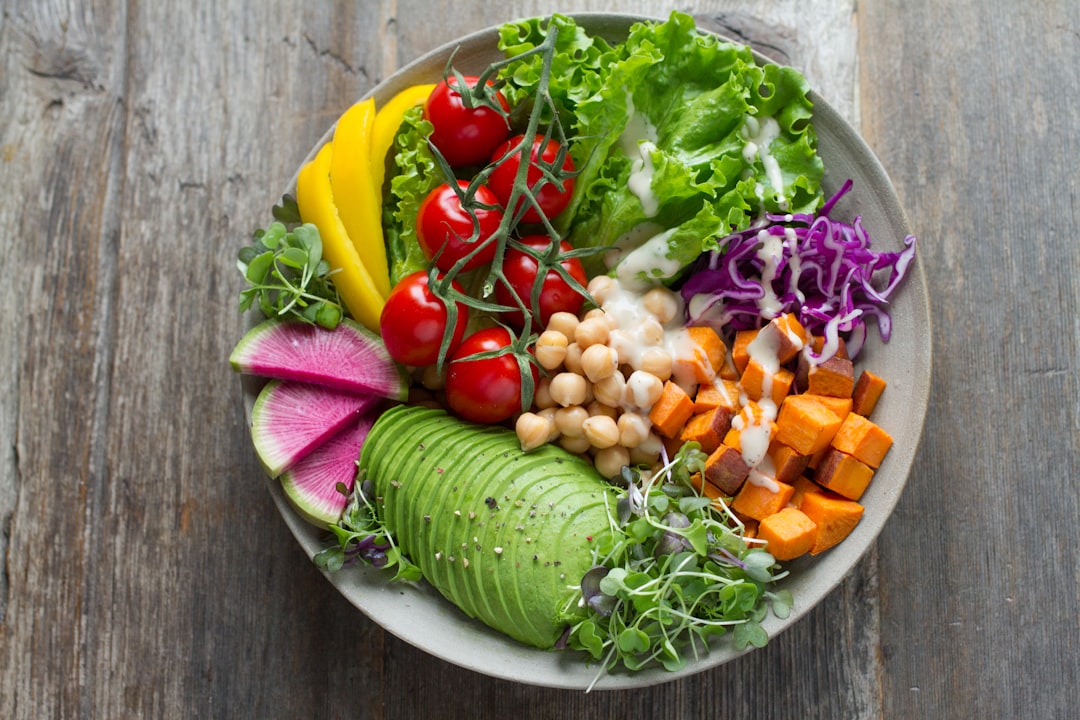
3. Colorful Vegetables and Fruits
Vegetables and fruits provide antioxidants, potassium, fiber, and phytonutrients that protect blood vessels, reduce inflammation, and lower blood pressure.
Particularly heart-healthy options:
- Leafy greens: Spinach (palak), fenugreek (methi), amaranth—rich in nitrates that lower blood pressure
- Tomatoes: Lycopene protects against LDL oxidation
- Berries: Powerful antioxidants that improve arterial function
- Beets: Natural nitrates improve blood flow
- Garlic and onions: Sulfur compounds support cardiovascular health
Target intake: Minimum 5 servings daily (1 serving = 1 cup raw leafy vegetables, ½ cup cooked vegetables, or 1 medium fruit)
Make half your plate vegetables at lunch and dinner. This simple rule ensures adequate intake while naturally reducing less healthy foods.
4. Nuts and Seeds
Despite being calorie-dense, regular nut consumption is associated with significantly lower heart disease risk. Nuts provide healthy fats, fiber, plant sterols, and minerals that benefit cardiovascular health.
Best choices: Almonds, walnuts, pistachios, pumpkin seeds, flaxseeds, chia seeds
Target intake: 30-40 grams (small handful) daily
Consumption tips: Eat raw or dry roasted, not salted or sugar-coated. Add to breakfast oats, yogurt, or eat as an evening snack. Grind flaxseeds fresh for maximum benefit and add to smoothies or rotis.
Walnuts deserve special mention—they're among the richest plant sources of omega-3 fatty acids and have demonstrated impressive cardiovascular benefits in research.
5. Legumes and Pulses
Dals, rajma, chole, and other legumes provide soluble fiber, plant protein, and nutrients that lower cholesterol and improve blood sugar control.
Variety to include: Moong dal, masoor dal, toor dal, chana dal, rajma, chole, black beans
Target intake: At least one serving daily (1 cup cooked)
The traditional Indian combination of dal with rice or roti is actually heart-healthy when using whole grains and preparing dal with minimal oil. Don't abandon this nutritious tradition.
6. Green Tea
Green tea catechins improve cholesterol profiles, reduce blood pressure, and protect blood vessel health. Multiple studies show regular green tea consumption lowers cardiovascular disease risk.
Target intake: 2-3 cups daily
Preparation: Steep in water at 80-85°C (not boiling) for 3-5 minutes. Avoid adding sugar; a bit of honey or lemon is fine.
Replace one of your daily chai servings with green tea. You'll reduce sugar and milk intake while gaining cardiovascular benefits.
Foods to Limit or Avoid
Trans Fats: The Heart's Enemy
Trans fats dramatically increase LDL cholesterol, decrease HDL ("good") cholesterol, and promote inflammation—a perfect storm for heart disease.
Primary sources to avoid:
- Vanaspati (partially hydrogenated vegetable oil)
- Commercial bakery items (biscuits, cakes, pastries)
- Packaged snacks and fried foods
- Margarine and vegetable shortening
- Many restaurant foods (ask about cooking oils)
Read ingredient labels—anything listing "partially hydrogenated oil" contains trans fats, even if the label claims zero grams (labeling loopholes allow this if trans fat is below 0.5g per serving).
Excessive Sodium
High sodium intake raises blood pressure, a major cardiovascular risk factor. Indians often consume 2-3 times the recommended amount.
Target intake: Less than 2,300mg daily (about 1 teaspoon of salt); ideally closer to 1,500mg if you have high blood pressure
Major sodium sources:
- Processed and packaged foods (biggest contributor)
- Restaurant and takeout meals
- Pickles and papad
- Salted snacks and namkeen
- Excessive salt in home cooking
Reduction strategies:
- Cook at home using herbs and spices for flavor instead of salt
- Remove salt shaker from the dining table
- Rinse canned foods before using
- Choose fresh or frozen vegetables over canned
- Limit restaurant meals and request less salt when ordering
Added Sugars
Excessive sugar intake promotes weight gain, insulin resistance, diabetes, and unfavorable cholesterol changes—all heart disease risk factors.
Target intake: Less than 25-30 grams (6 teaspoons) added sugar daily
Hidden sugar sources: Sugary beverages (biggest contributor), flavored yogurt, breakfast cereals, packaged fruit juices, sweets and desserts, chai and coffee with multiple spoons of sugar
Practical swaps:
- Soda → Plain water with lemon, coconut water, or unsweetened drinks
- Sweetened yogurt → Plain yogurt with fresh fruit
- Packaged juice → Whole fruit
- Sugar in chai → Reduce gradually; your taste buds will adapt
Refined Carbohydrates
White rice, maida, and refined wheat products spike blood sugar, promote inflammation, and contribute to weight gain and diabetes—all heart disease risks.
Smart alternatives:
- White rice → Brown rice, quinoa, or rice-millet blend
- Maida products → Whole wheat alternatives
- White bread → Whole grain bread
Transition gradually. Mix brown rice with white initially, then increase the proportion over weeks. Your taste preferences will adjust.
Excessive Red and Processed Meat
While moderate lean meat consumption can be part of a healthy diet, excessive red meat and processed meats (sausages, salami, bacon) increase cardiovascular risk.
Guidelines: Limit red meat to 1-2 servings weekly, choose lean cuts, and avoid processed meats altogether. Emphasize fish, poultry, legumes, and plant proteins instead.
Heart-Healthy Cooking Methods
How you prepare food matters as much as what you eat:
Preferred methods: Grilling, baking, steaming, stir-frying with minimal oil, pressure cooking, air frying
Methods to minimize: Deep frying, excessive oil in curries, reusing cooking oil (creates harmful compounds)
Healthy cooking oils: Mustard oil (in moderation), olive oil (for low-heat cooking), rice bran oil, groundnut oil. Avoid vanaspati and palm oil.
Portion control with oils: Measure oil rather than pouring freely. Aim for 2-3 tablespoons total added fat daily.
Sample Heart-Healthy Daily Meal Plan
Here's a practical 1,800-calorie day designed for cardiovascular health:
Early Morning (6:30 AM)
Warm water with lemon + 5 soaked almonds
Breakfast (8:00 AM)
1 cup steel-cut oats with cinnamon, berries, 1 tbsp ground flaxseeds, and 5 walnuts + Green tea
Mid-Morning Snack (11:00 AM)
1 apple + 10 unsalted pistachios
Lunch (1:00 PM)
2 multigrain rotis + 1 cup masoor dal (minimal oil) + Palak sabzi + Cucumber and tomato salad + Small bowl brown rice
Evening Snack (4:30 PM)
1 cup green tea + Roasted chickpeas (30g) or 1 cup buttermilk
Dinner (7:30 PM)
Grilled fish (150g) or tandoori chicken + Mixed vegetable stir-fry + 1 multigrain roti + Raita (low-fat yogurt)
Before Bed (Optional)
Turmeric milk (warm low-fat milk with turmeric and pinch of black pepper)
Throughout Day: 8-10 glasses water, herbal teas as desired
Lifestyle Factors That Support Heart Health
Nutrition is fundamental, but these lifestyle factors amplify your heart protection:
Regular Physical Activity
Exercise strengthens your heart, improves cholesterol, lowers blood pressure, and aids weight management.
Target: 150 minutes moderate-intensity cardio weekly (brisk walking, cycling, swimming) + 2 strength training sessions
Even 30 minutes of brisk walking daily significantly reduces cardiovascular risk.
Stress Management
Chronic stress elevates blood pressure, promotes inflammation, and encourages unhealthy coping behaviors (smoking, overeating).
Practices to adopt: Regular meditation, yoga, pranayama (breathing exercises), adequate sleep, work-life balance, social connections
Quality Sleep
Poor sleep is linked to high blood pressure, diabetes, and heart disease. Aim for 7-8 hours nightly with consistent sleep-wake times.
Avoid Tobacco and Limit Alcohol
Smoking is one of the strongest cardiovascular risk factors—quitting provides immediate and long-term benefits. If you drink alcohol, limit to 1-2 drinks daily maximum, or better yet, avoid completely.
Regular Health Monitoring
Get annual check-ups measuring blood pressure, cholesterol (lipid panel), blood sugar (fasting and HbA1c), and body weight. Early detection allows early intervention.
Know your numbers:
- Blood pressure: Below 120/80 mmHg (optimal)
- Total cholesterol: Below 200 mg/dL
- LDL cholesterol: Below 100 mg/dL (lower if high risk)
- HDL cholesterol: Above 40 mg/dL (higher is better)
- Triglycerides: Below 150 mg/dL
- Fasting blood sugar: Below 100 mg/dL
- HbA1c: Below 5.7%
- Waist circumference: Below 90 cm (35 inches) for Indian men
Supplements for Heart Health
While whole foods are preferred, certain supplements can support cardiovascular health when diet alone is insufficient:
Omega-3 Fatty Acids: If you don't eat fatty fish regularly, consider 1,000-2,000mg combined EPA/DHA daily. Choose quality brands tested for purity.
Coenzyme Q10 (CoQ10): Particularly important if taking statin medications (which deplete CoQ10). Typical dose: 100-200mg daily.
Vitamin D: Most Indian men are deficient. Get tested and supplement as needed (typically 1,000-2,000 IU daily).
Magnesium: Supports healthy blood pressure and heart rhythm. 200-400mg daily from magnesium glycinate or citrate.
Plant Sterols: These compounds lower LDL cholesterol. Found in fortified foods or as supplements (2g daily).
Always consult your doctor before starting supplements, especially if you take medications or have heart conditions.
Special Considerations for High-Risk Individuals
If You Have High Cholesterol
Emphasize soluble fiber (oats, beans, apples, barley), plant sterols, and omega-3s. Strictly limit saturated fat and eliminate trans fats. Consider 2g plant sterols daily.
If You Have High Blood Pressure
Follow the DASH diet principles: high in vegetables, fruits, low-fat dairy, and whole grains; low in sodium, saturated fat, and added sugars. Increase potassium from foods like bananas, potatoes, spinach, and yogurt.
If You Have Diabetes
Control blood sugar through consistent carbohydrate intake, emphasize complex carbs with fiber, and balance meals with protein and healthy fats. Good blood sugar control dramatically reduces cardiovascular risk.
If You're Overweight
Even 5-10% weight loss significantly improves all cardiovascular risk factors. Focus on calorie quality (whole foods), appropriate portions, and regular physical activity.
Practical Tips for Implementation
Start small: Don't overhaul your entire diet overnight. Make one change weekly—swap white rice for brown, add a serving of vegetables to lunch, or replace afternoon snacks with fruit and nuts.
Plan ahead: Meal planning ensures healthy options are available. When you're hungry without a plan, you'll make poor choices.
Read labels: Check nutrition facts for sodium, added sugars, trans fats, and saturated fat. Choose products with shorter, recognizable ingredient lists.
Cook at home: Restaurant and takeout meals are typically higher in sodium, unhealthy fats, and calories. Home cooking gives you complete control.
Practice portion awareness: Use smaller plates, serve food in the kitchen rather than family-style, and eat slowly to recognize fullness.
Stay hydrated: Sometimes thirst masquerades as hunger. Drink water throughout the day.
Find support: Share your heart-health goals with family. When they understand your why, they'll support healthier meal choices.
Be patient: Cardiovascular health improves gradually. Cholesterol changes may take weeks or months. Focus on consistent healthy choices rather than perfection.
Conclusion: Your Heart's Future Is in Your Hands
Heart disease isn't an inevitable consequence of aging or genetics. While you can't change your family history, you absolutely can change your future through the choices you make today.
Every meal is an opportunity to either support or harm your cardiovascular system. Choose whole grains over refined. Choose vegetables over processed snacks. Choose home-cooked meals over restaurant dining. Choose fish over fried foods. These seemingly small daily decisions compound into dramatic differences in heart disease risk.
Your heart beats approximately 100,000 times daily, pumping blood to nourish every cell in your body. It asks very little in return—just the fuel to function optimally. Give it the nutrition it deserves.
Start implementing these heart-healthy strategies today. Your future self will thank you for the years of vibrant health you've secured through wise nutritional choices.
Your heart health journey begins with your very next meal. Choose wisely.
You May Also Like
Need Personalized Heart Health Guidance?
Our cardiovascular nutrition experts can create customized meal plans for your heart health
Consult Our Experts